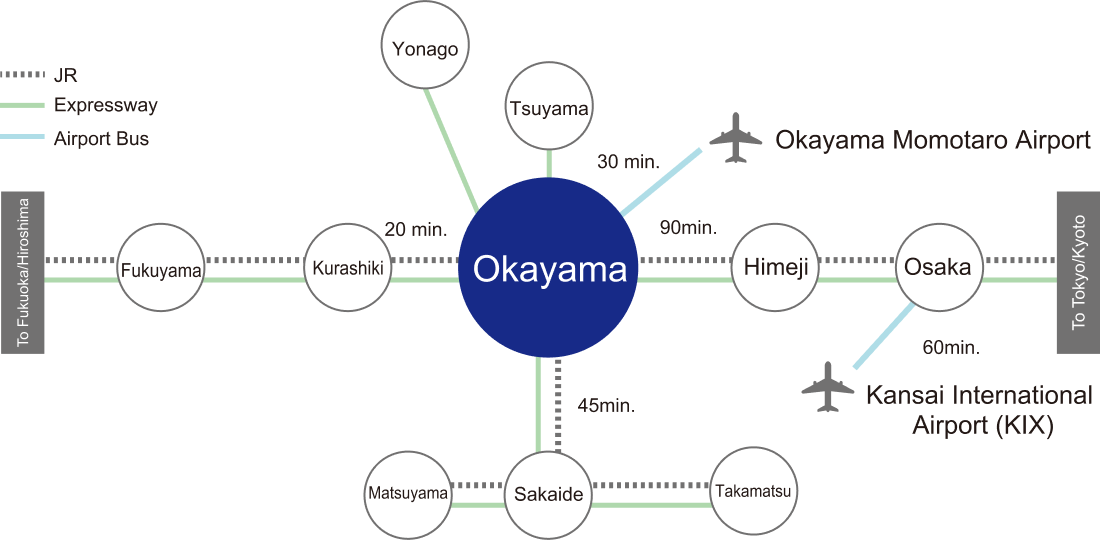
What is Okayama?
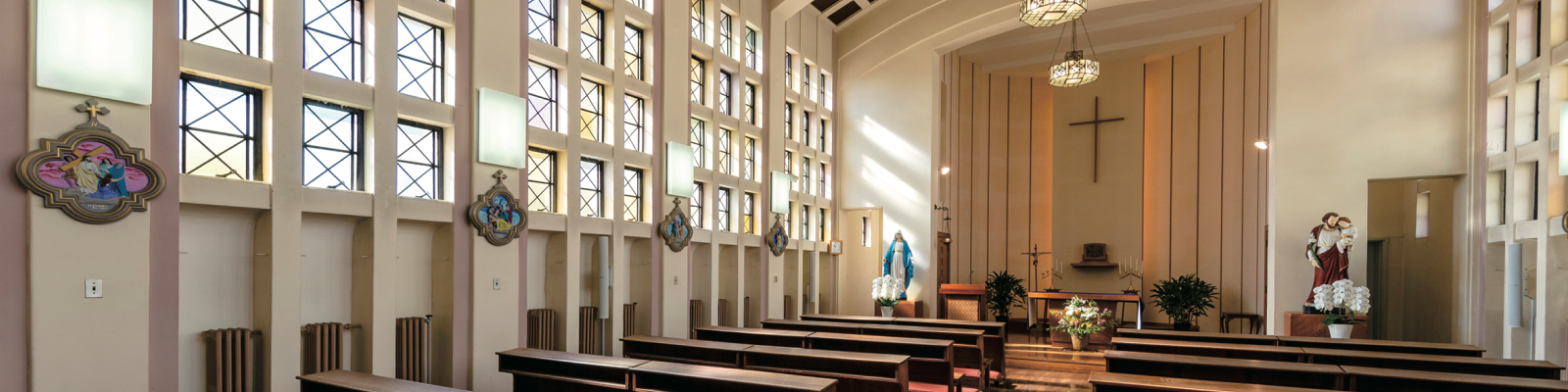
What is Okayama?
Nicknamed “sunny land of Okayama,” the prefecture is known for its mild climate and low precipitation.
In addition to being able to experience various aspects of Japanese culture due to its many historical and cultural assets, the northern part of
the prefecture is blessed with mountains and hot springs, while the southern part is surrounded by the Seto Inland Sea, where delicious seafood can be found.
Also, JR Okayama Station serves as a crossroads connecting Shikoku, Kyushu, and Chugoku regions to the Kansai region, providing convenient access.
-
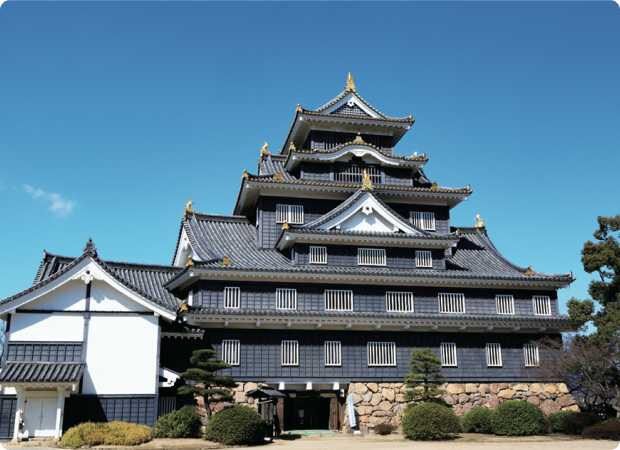
Okayama Castle
It was completely renovated in 2022. It is called U-jo (Crow Castle) because of its black clapboard exterior.
-
Okayama Korakuen Garden
A scenic daimyo garden that looks just like it did in the Edo period.
It is one of Japan’s three most famous gardens. 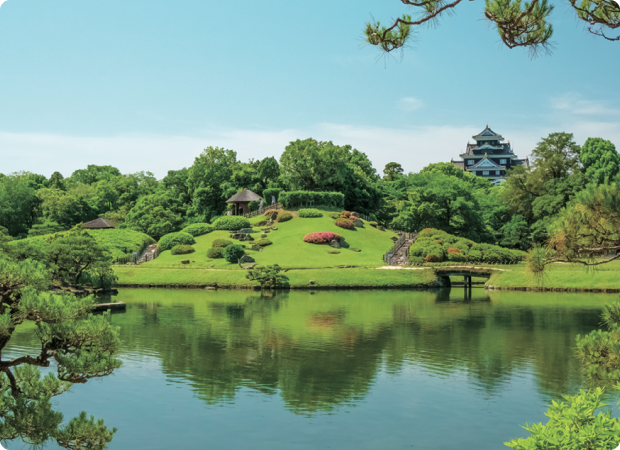
-
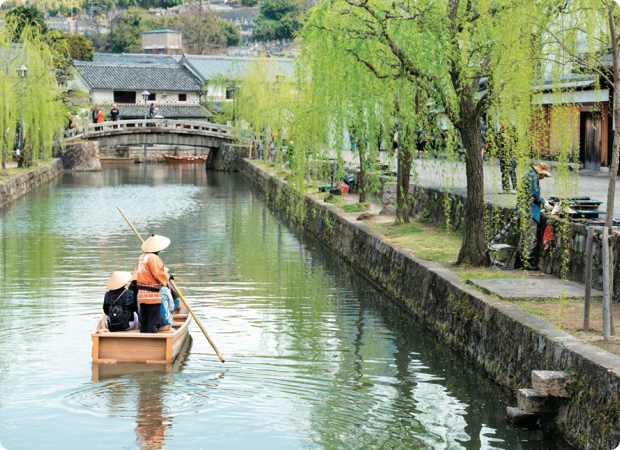
Bikan Historical Quarter
The retro-modern scenery along the Kurashiki Rivercontinues to fascinate people from all over the world.
-
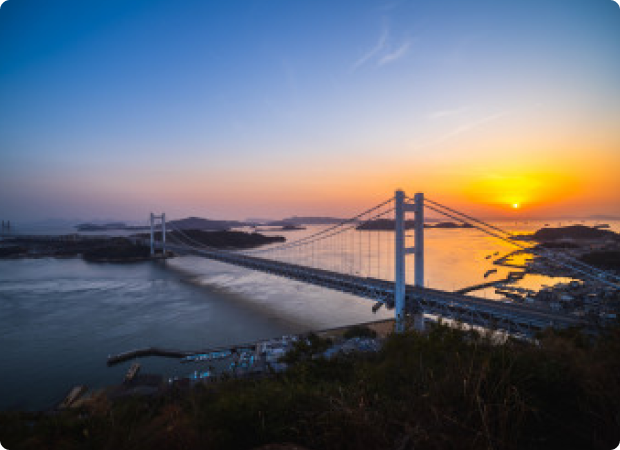
Great Seto Bridge
This is one of the world’s largest suspension bridges for combined use of roads and railways connecting Honshu and Shikoku.
-
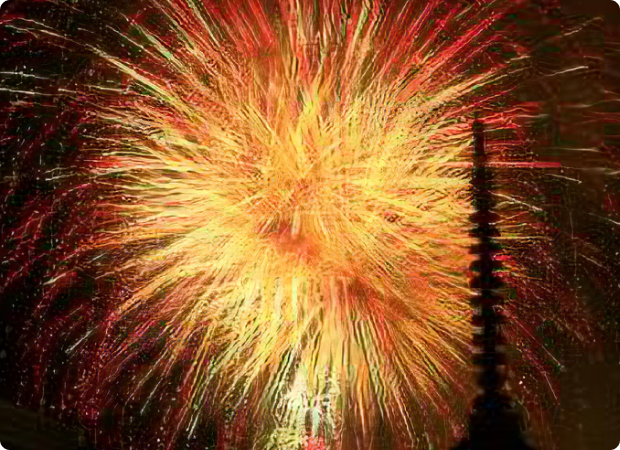
Saidaiji Eyo (Hadaka Matsuri)
This is a bizarrely unique festival that has been held for over 500 years and is well known throughout the land. Around 10,000 naked men wearing loincloths fight fiercely for a sacred tree.
-
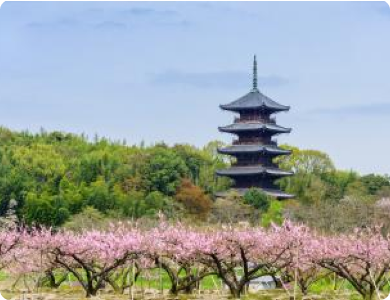
Bitchu Kokubunji Temple
-
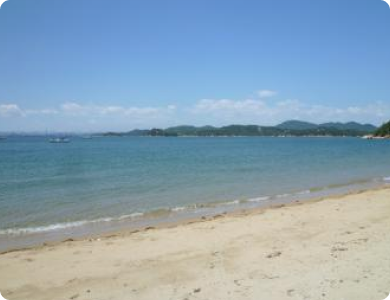
Shiraishi Island Beach
-
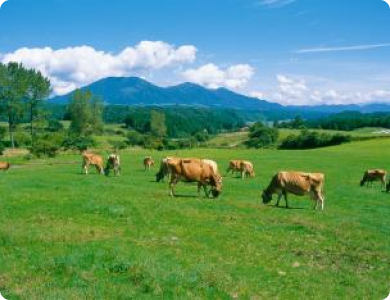
Hiruzen Plateau
-
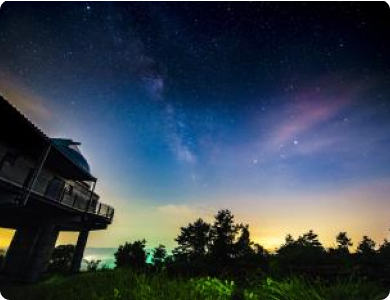
Bisei Astronomical Observatory
-
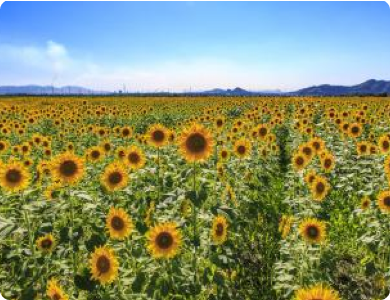
Sunflower field in Kasaoka
Bay’s reclaimedland -
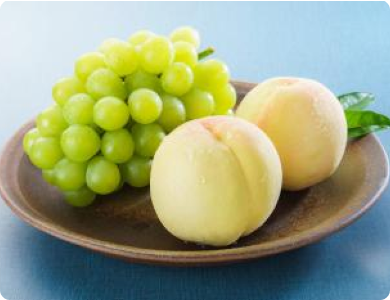
Peaches and muscats
Location
Information
of Okayama